
Can a Planning Application Fee Be Refunded?
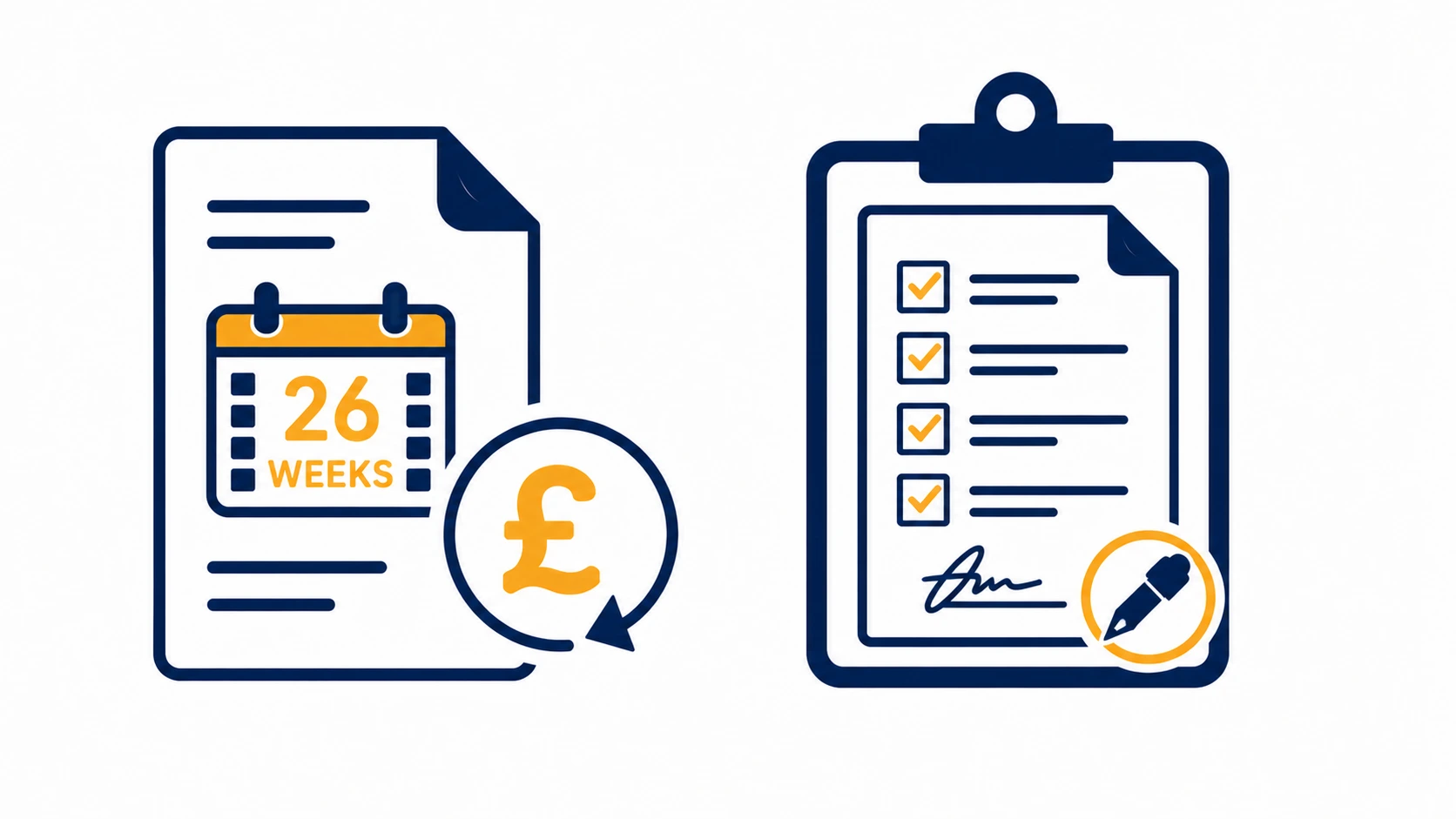
Planning application fees are normally not refunded simply because an application is refused or withdrawn. The fee pays for the authority to process and determine the application, not for a guaranteed approval.
If an application is not validated
If the council cannot validate the application, the regulations set out how the fee is dealt with. The practical outcome depends on what was submitted and whether the missing information is corrected. Ask the council how it will handle the application before assuming that a refund or a new submission is automatic.
If the council does not decide the application
The fee regulations contain a refund provision for certain valid applications that are not determined within the relevant period. The right can be affected if the applicant agrees in writing to extend the determination period. This is a situation where the wording of the agreement matters.
This is not a general refund for delay in every application. The application type, the dates, and any written extension should be checked against the current regulations and the council’s records.
Refusal and resubmission
A refusal does not normally return the original fee. A new application is usually charged under the fee rules that apply when it is submitted. If the proposal is revised, check the category again rather than assuming the previous amount still applies.
What to do
Keep the validation notice, payment record, decision notice, and any written extension agreement. If you believe a refund right may apply, ask the council to explain its position in writing and compare it with the official fee guidance.
Sources: GOV.UK planning fee guidance and the 2012 Fees Regulations. This page was reviewed on 18 September 2026.
Keep an evidence trail
Refund questions are easier to investigate when the applicant keeps the submission date, fee receipt, application reference, validation correspondence, decision notice, and any written explanation from the authority. Record the regulation or official guidance relied on, not only a screenshot of a calculator.
Do not treat refusal as a refund trigger
A refusal is a planning decision, not automatically evidence that the application fee should be returned. The relevant rules depend on the circumstances, including the authority’s handling of the application and the statutory process that applies.
Before resubmitting
- Ask the authority what changed and which route applies.
- Check whether the new proposal is genuinely different.
- Recalculate the current fee rather than copying an old amount.
- Keep the old and new descriptions together for your records.
This page is general information, not a promise of a refund. Confirm the facts and remedy with the relevant Local Planning Authority.
Build a short timeline
Write down when the application was submitted, when the fee was paid, when validation was requested or refused, when further information was supplied, and when a decision was issued. A timeline helps distinguish a validation problem, a delay, a refusal, and a new application—events that can have different consequences.
Questions to ask in writing
- What rule or guidance does the authority rely on?
- Is the authority treating the matter as an invalid application, a new application, or a delayed decision?
- What application reference and payment record should be quoted?
- If resubmitting, what has changed and what fee applies now?
Keep the response with the original receipt and decision documents. A calculator estimate is useful for checking arithmetic, but it cannot decide whether a refund is legally due.
Source trail
Start with the GOV.UK fees guidance and the underlying regulations, then ask the relevant authority to apply the facts.
First identify the stage
Before asking whether money is due back, label the event accurately: a pre-application enquiry, an invalid submission, a validated application, a refusal, a withdrawal, a non-determination, or a resubmission. Keep the receipt, application reference, validation date, correspondence, and decision notice together. Similar words can describe different processes, and a calculator cannot decide the outcome.
If a council asks for a fee or document that was not expected, ask for the written basis and the relevant published guidance. Confirm the position with the authority rather than relying on an online discussion or an old “free resubmission” claim.